
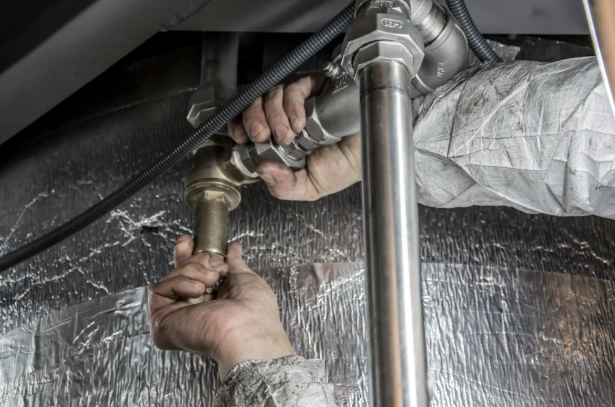
Maintaining a property involves more than keeping its interior clean and its exterior attractive. Behind everyday comfort are essential systems and equipment that require regular attention. Small problems, such as leaking pipes, inconsistent water pressure, electrical faults, or poor drainage, can gradually develop into expensive repairs. Whether you own a home or manage a commercial building, recognizing these warning signs early can help prevent unnecessary expenses and disruptions.
Leaking Pipes and Hidden Water Damage
Small leaks are among the most common property maintenance problems. Although a dripping faucet may seem harmless, hidden leaks behind walls or beneath floors can cause significant damage when left untreated.
Moisture can weaken building materials, damage flooring, and encourage mold growth. Property owners should regularly inspect exposed pipes, check beneath sinks, and look for unexplained damp patches.
Leaks can also affect water pressure and place additional strain on equipment responsible for supplying water to a property. In properties that rely on private wells, frequent pump cycling or inconsistent water flow may indicate problems with the pump, pressure tank, or connected pipes. These issues require proper inspection to identify the underlying cause.
When such problems occur, a professional water well pump repair service can help diagnose equipment faults, inspect pressure-related components, and determine whether repairs or replacement are necessary.
Other warning signs include water stains, peeling paint, and unexpected increases in water consumption. Recognizing these symptoms early can help property owners address potential problems before they lead to more extensive repairs.
Electrical Problems That Affect Everyday Operations
Electrical problems can develop gradually, particularly in buildings with aging wiring or frequently used equipment. Flickering lights, warm outlets, and repeatedly tripped circuit breakers may indicate underlying issues.
Overloaded circuits and damaged connections can affect appliance performance and create serious safety concerns. Property owners should avoid ignoring these warning signs or attempting complicated electrical repairs without appropriate training.
Regular electrical inspections can help identify outdated components, damaged wiring, and equipment that requires professional attention. It is also important to avoid connecting too many high-powered devices to a single outlet. Proper equipment placement and suitable electrical connections can reduce unnecessary strain.
When electrical problems occur repeatedly, a qualified electrician should investigate the cause. Early intervention helps protect occupants and reduces the likelihood of unexpected disruptions.
Poor Drainage System
Drainage problems can affect both the appearance and condition of a property. Standing water near foundations, walkways, or landscaped areas may indicate blocked drains, compacted soil, or improper ground grading.
When rainwater repeatedly collects in the same location, it can damage landscaping, create slippery surfaces, and contribute to moisture problems.
Property owners should inspect gutters, downspouts, and outdoor drainage areas regularly. Removing accumulated leaves and debris helps water move away from the building.
Uneven ground may also require attention if it directs runoff toward foundations rather than away from them.
Addressing drainage concerns early can help prevent recurring moisture problems and reduce the need for extensive landscaping or structural repairs.
Heating and Cooling Equipment Failures
Heating and cooling systems play an important role in maintaining comfortable indoor conditions. However, these systems can develop problems when filters become clogged, components wear out, or maintenance is neglected.
Common warning signs include unusual noises, inconsistent temperatures, weak airflow, and unexplained increases in energy consumption.
Dirty filters can restrict airflow and make equipment work harder than necessary. Replacing them according to manufacturer recommendations can support more efficient operation.
Property owners should also keep outdoor equipment clear of leaves, debris, and other obstructions.
Professional servicing can help identify worn components, refrigerant-related concerns, and electrical faults before they cause complete system failure.
Maintaining heating and cooling equipment regularly supports indoor comfort and helps reduce avoidable repair expenses.
Roof Damage and Exterior Deterioration
A property’s exterior is constantly exposed to changing weather conditions. Over time, roofing materials, exterior walls, and protective seals may deteriorate. Property owners should inspect accessible exterior surfaces for visible damage, particularly after severe weather. Water stains on ceilings or walls may indicate roof leaks that require professional investigation.
Keeping gutters clear helps prevent water from overflowing near the roofline and building foundation. Minor exterior repairs are often easier to manage when damage is identified early. However, roof inspections involving heights or unstable surfaces should be left to qualified professionals.
Regular exterior maintenance helps preserve building materials and prevent avoidable deterioration.
Pest Activity in Unnoticed Areas
Pests often enter through small openings and settle in areas that are rarely inspected. Attics, basements, storage rooms, and wall cavities can provide suitable hiding places.
Rodents may damage insulation and electrical wiring, while certain insects can affect wooden building materials. Warning signs include droppings, scratching noises, damaged packaging, gnaw marks, and unusual debris near walls or furniture.
Property owners should inspect storage spaces periodically and keep them clean and organized. Sealing accessible gaps, removing food sources, and controlling moisture can help discourage pest activity. Outdoor vegetation should also be maintained to reduce sheltered areas close to the building.
If signs of infestation appear, professional assessment can help determine the extent of the problem and appropriate treatment
Delayed Maintenance and Poor Inspection Habits
Many expensive property repairs begin as minor issues that remain unnoticed or unresolved. A small leak, unusual equipment noise, or inconsistent performance may not seem urgent, but these symptoms can indicate developing problems.
Creating a regular inspection schedule helps property owners recognize changes before they become serious. Maintenance records should include service dates, completed repairs, equipment details, and recurring concerns. This information makes it easier to identify patterns and plan future work.
Property managers should also encourage occupants and employees to report unusual conditions promptly. Professional inspections are particularly valuable for electrical equipment, mechanical systems, and components that are difficult to access safely.
Consistent maintenance does not eliminate every repair, but it helps reduce preventable problems and unexpected interruptions.
By recognizing common warning signs, addressing minor concerns promptly, and maintaining essential equipment, property owners can keep their buildings functional, comfortable, and easier to manage over time.