20/30 grade is a word that is used in a variety of professional and academic contexts to describe an assessment or scoring system. This is typically seen in nations that have a distinct way of grading academics, for instance, specific European as well as international system. In this post we’ll look at what the 20/30 mark is, what it means, and how it compares to other grade systems and the significance of it for both professional and academic contexts.
What Is a 20/30 Grade?
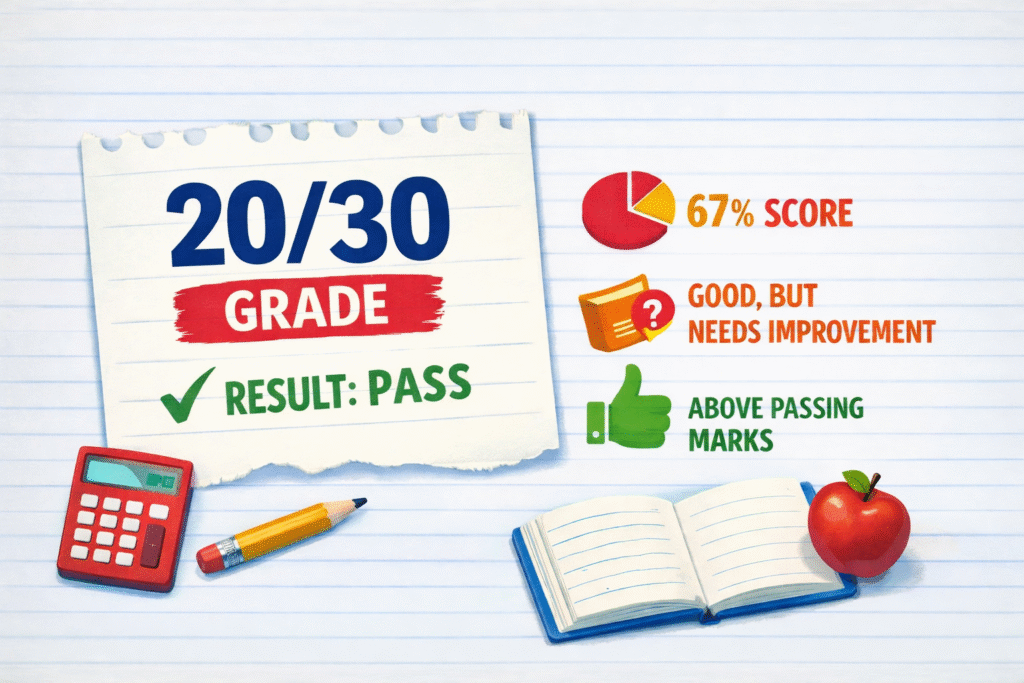
The grade 20/30 usually refers to a percentage from 30 which is 20 being the highest success a person or a student is able to achieve. The grade is utilized to assess the performance of a student in exams, assignments and academic accomplishments overall. A score that is 20 out of 30 is essentially a sign that a person had completed 20 points worth of tasks or correctly answered questions within a set of.
Also Read: 16/20 Grade
Some educational systems use the 20/30 scale of grading can be part of an overall assessment structure. The general grade can be computed by a percentage. The percentage is used to determine the level of comprehension, proficiency and mastery of a particular subject or job.
Comparing 20/30 to Other Grading Scales
Grading systems may differ across countries. The 20/30 scale contrasts with more conventional scales of grading:
1. Percentage Scale:
-
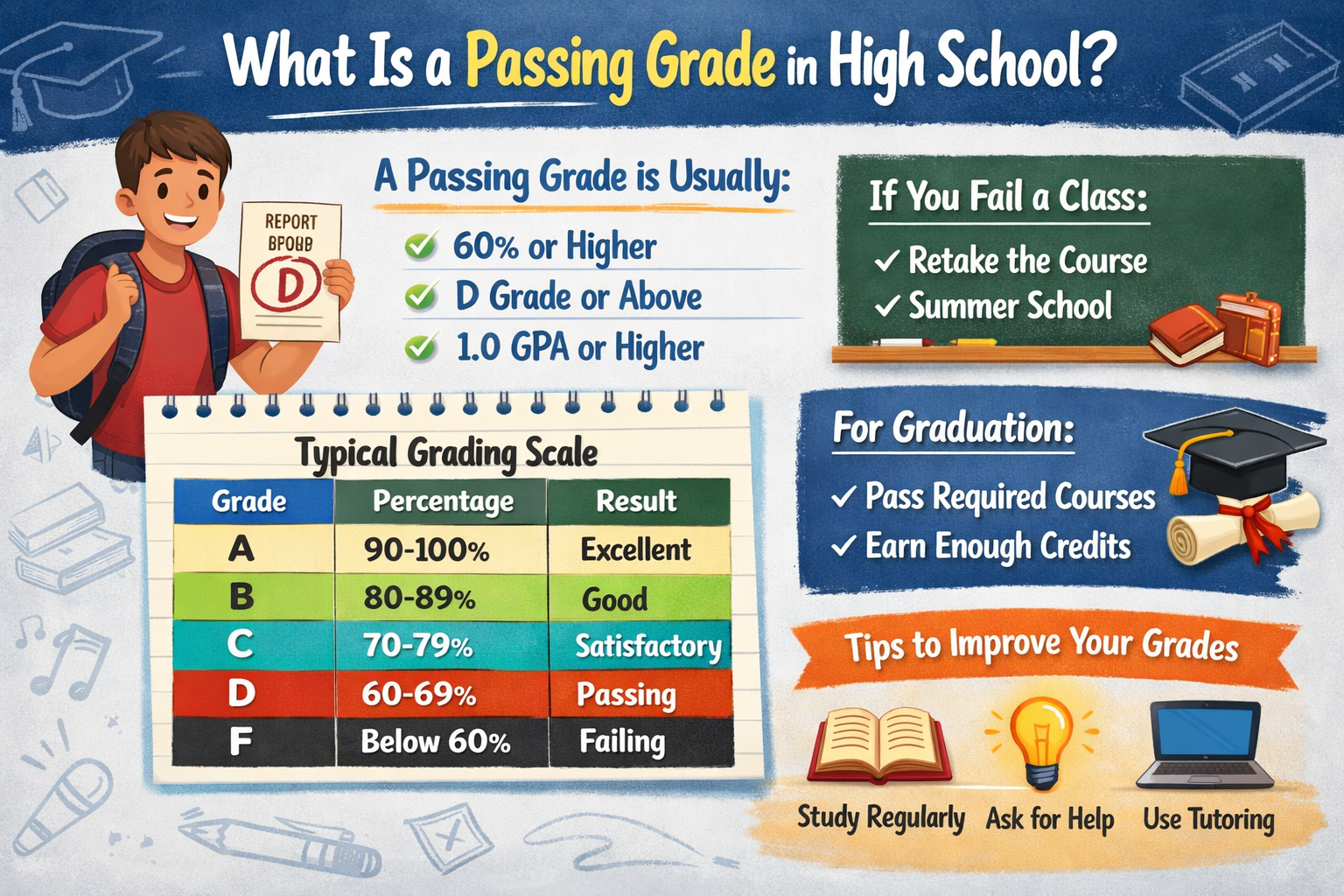
20/30 is roughly 66.67 percent. This can be considered to be as a satisfactory score within a wide range of academic settings but the interpretation may differ according to the school or the nation. A 60% mark could be an acceptable grade for some system, whereas in other this could indicate an incomplete pass or failing.
2. Letter Grade System:
-
In the letter grade system, a score of 20/30 can correspond to the grade of A as well as a C+ according to the particular institution’s grade scale. Schools may set more high expectations. Therefore, they could use a 20/30 to indicate an adequate or acceptable level of performance.
3. Point-Based or Raw Score System:
-
When students receive points to achieve correct answers A score of 20/30 could indicate the student has performed good achievement but there might there is the potential to improve. As an example, a mark that is 20/30 may indicate that a pupil is able to comprehend the majority of content, but may not have was a master in every area.
Explore More: 11/15 Grade
Significance of the 20/30 Grade in Academic Settings
The grade 20/30 is a crucial factor in assessing the students’ skills and performance in various academic areas. This is why:
1. Benchmark for Passing:
-
Some grading systems use an average of 20-30 marks can be the benchmark used to be able to pass a course or passing an exam. Although it might not be a sign of the highest standard, it does indicate a adequate understanding of the subject.
2. Determining Areas for Improvement:
-
A score of 20 points out of 30 indicates that there is a need for needing improvement. This way, students are able to pinpoint specific subjects or concepts that they have difficulty in and then focus on improving the areas they struggled with for their next assessments.
3. Course Progression:
-
A score of 20/30 could be a way of getting into more advanced courses. Many academic systems require the passing grade is required for students to be able to take higher-level classes as well as certifications or other programs. A grade of 20/30 could permit students to progress but with the understanding that additional effort is necessary to be successful in the future tests.
4. Influence on Final Grades:
-
In systems where the final grades are based on various assessments, a mark of 20/30 can contribute positively to overall grades, but could require balancing by higher scores for other subjects.
Also See: Grade Scale
How Professionals Use the 20/30 Grade
Outside of academia Beyond academia, the grade 20/30 may also be seen in the context of training or professional work. In particular, when it comes to examinations for certification, assessment of performance and tests, a score that is 20/30 may indicate:
1. Competency and Skill Level:
-
An average score of 20/30 on professional exams could suggest an understanding level that is acceptable however, it indicates that the person could still require improvement in specific areas before reaching the level of mastery. It could serve as a measure of the capabilities such as communication and technical skills, as well as customer service.
2. Professional Certifications:
-
In certain industries, professional certifications could use the 20/30 or similar scoring system for determining if someone is eligible to obtain certification or advance. An average score of 20/30 might suffice for the initial certification however, it may require continuous development for advancement.
How to Improve a 20/30 Grade
A 20/30 mark is an acceptable performance, both professionals and students alike could want to boost their skills to achieve more high standards. These are some suggestions:
1. Review and Understand Mistakes:
-
Spend time reviewing the incorrect answers or errors committed during the test. Knowing why a response wasn’t correct and gaining knowledge from mistakes is crucial to improve your future performance.
2. Seek Feedback:
-
Request your instructors, mentors or supervisors to provide feedback on what was successful and areas you could improve. The constructive criticism you receive is essential in advancing your career.
3. Target Weak Areas:
-
Make sure to concentrate your learning or training to areas in which you performed not so well. This will help ensure that you’re not just re-inforcing what you have already learned, but improving areas in need of improvement.
4. Practice Regularly:
-
Regular practice and repetition is essential to master any subject or skill. It can be through practice and mock tests or even practical applications, consistent repetition helps to build skills and increase efficiency.
Conclusion
The 20/30 score is a metric with many applications that can be used to assess your performance in a range of professional and educational situations. Even though it’s an overall pass across many different methods, there’s an opportunity to improve. Knowing the way to interpret the score and what actions you should take in the future could mean an important distinction between attaining an initial level of proficiency and reaching the top. Use Quick Grader to quickly assess your performance and identify areas for improvement, helping you track your progress effectively.
FAQs About the 20/30 Grade
1. What does a 20/30 grade mean?
The 20/30 mark means that you received 20 points of the possible 30. This is frequently used in professional and academic settings for a measure of your the performance of. It usually indicates a high or pass grade, based upon the particular grading system employed.
2. Do you think 20/30 is a pass grade?
For many systems of grading, the 20/30 mark is thought of as to be a pass grade, which is roughly equal to 66.67 percent. But the precise meaning will differ based on the country or institution. Certain systems may view this to be a “bare pass,” while other systems may consider it to be moderate or a little below an average.
3. What is the method by which the 20/30 grade how is it calculated?
The grade 20/30 is determined using the ratio of the score that you obtained (20) by the maximum potential score (30) and resulting in an amount. This amounts to 66.67 percent. This is a way to gauge the general level of competence or comprehension in a particular topic or work.
4. What is a 20/30 grade? How does it contrast to other grade systems?
When grading percentages, a 20/30 equals 66.67 percent. In systems of letter-grading this could be the letter grade of “C” or “C+” according to the scale of your institution. This could be also regarded as”pass” or “pass” in some systems and may be a prerequisite in order to get more advanced scores.
5. Is a grade of 20/30 indicating proficiency in the topic?
A grade of 20/30 typically demonstrates an knowledge of the subject, however, it is not a mark of proficiency. Although it’s an acceptable grade, there’s generally room for improvement and the grade may also highlight certain aspects where more study or practice is necessary.